

Last updated: 1 November 2026
Quick Summary
A vitamin c serum is a light, fast-absorbing treatment with a higher concentration of active vitamin C, while a vitamin C moisturiser is a richer cream that adds vitamin C alongside hydration. Choose a serum for a brightening treatment step, or a moisturiser if your skin feels dry and you want one product to do two jobs.
- Serums are light and absorb within a minute or two, leaving little residue.
- Moisturisers are richer, slower to absorb, and leave a protective layer that helps reduce water loss.
- Serums usually hold more active vitamin C, because they are built to treat rather than hydrate.
- Apply the serum first, wait a minute or two, then moisturise, finishing with SPF in the morning.
- Start slowly with a serum: every other day for the first week, then daily if your skin feels calm.
Table of Contents
- How a Vitamin C Serum and a Vitamin C Moisturiser Differ
- What Vitamin C Does for the Skin in Each Format
- How to Use Vitamin C Serum in Your Routine
- Vitamin C Serum Before or After Moisturiser
- Can You Use Vitamin C Serum and Moisturiser Together?
- Ingredients and Habits to Avoid Alongside Vitamin C
- Choosing Your Vitamin C Step: The Next Move for Your Routine
- Frequently Asked Questions
Vitamin C serum and vitamin C moisturiser can look almost identical on a shop shelf, yet they do different jobs on your skin. The serum is usually thin and fast-absorbing, while the moisturiser is richer and sits on top to hold water in. Choosing between them comes down to your skin, your routine and how much time you have each morning. This guide explains the difference clearly, so you can pick the right step and avoid wasting money.
A vitamin C serum is a lightweight, water-based or oil-based liquid designed to deliver active vitamin C deep into the skin. A vitamin C moisturiser is a cream or lotion that adds vitamin C alongside hydrating ingredients to keep the skin soft and protected. The active amount of vitamin C is often lower in moisturisers, because they also need to deliver comfort and moisture.
How a Vitamin C Serum and a Vitamin C Moisturiser Differ
The biggest difference is what each product is built to do. A serum is a treatment. A moisturiser is a barrier. Both can contain vitamin C, but the way they feel and where they fit in your routine are not the same.
Texture, consistency and absorption
A serum feels light and watery. It sinks in within a minute or two and leaves little residue. That quick absorption is why serums are popular under makeup or in the morning when you want a fresh finish.
A moisturiser feels thicker and creamier. It takes longer to soak in and can leave a soft film. This layer helps reduce water loss from the skin, which many people with dry skin find useful, especially in winter.
- Serum: light, fast-absorbing, minimal residue
- Moisturiser: rich, slower to absorb, leaves a protective layer
Concentration and formulation in each product type
Serums usually hold a higher concentration of active vitamin C, because they are made to treat rather than simply hydrate. Our Glow Pods Vitamin C Serum, for example, is powered by 16% pure L-Ascorbic Acid, delivered in single-use capsules to protect the vitamin from air and light.

Vitamin C can lose strength when exposed to air, light and heat, so packaging matters as much as the percentage on the label. Moisturisers often contain a smaller share of active vitamin C because the rest of the formula is busy with emollients and moisture-binding ingredients.
The two formats differ in texture, absorption and how much active vitamin C they usually hold.
| Format | Texture and absorption | Typical role |
|---|---|---|
| Vitamin C serum | Light, fast-absorbing, minimal residue | Treatment step |
| Vitamin C moisturiser | Rich, slower to absorb, leaves a film | Barrier and hydration |
| Serum concentration | Usually higher active vitamin C | Built to treat |
| Moisturiser concentration | Often lower active vitamin C | Shares space with moisture ingredients |
What Vitamin C Does for the Skin in Each Format
Both formats aim to support brighter, more even-looking skin. The difference is how much active vitamin C reaches the skin and how much hydration comes along with it.
A serum is often the better choice when your goal is a brighter, more even-looking complexion. A moisturiser is the better choice when your skin feels tight, dry or dull, and you want vitamin C with comfort built in.
Neither product replaces sunscreen. Daily SPF remains the most important step for protecting the skin from sun damage.
How to Use Vitamin C Serum in Your Routine
Using a serum well is simple, but a few habits make a real difference. Apply it to clean, dry or slightly damp skin after cleansing and toning. Use a small amount, a few drops or one pod, and press it gently into the face and neck.
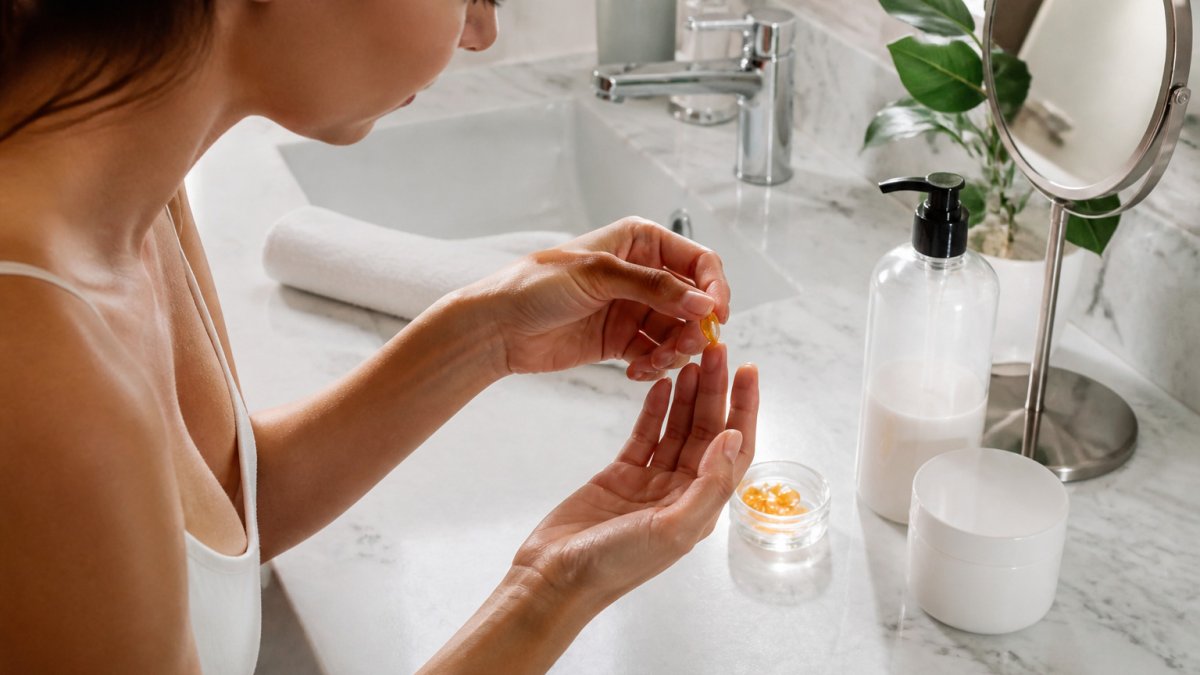
A common mistake is applying too much, thinking more will work faster. It won't. A small amount spread evenly is enough.
Start slowly if your skin is sensitive. Try it every other day for the first week, then move to daily use if your skin feels calm. Stop if you notice persistent redness or stinging.
Vitamin C Serum Before or After Moisturiser
Apply the serum first, then the moisturiser. Find out whether morning or night suits a serum best. The serum is thinner, so it needs direct contact with the skin to work. The moisturiser then seals in hydration and helps reduce any irritation the serum might cause.
Wait a minute or two between layers so the serum can settle. Then finish with SPF in the morning, because sun protection should always be the final step.
Can You Use Vitamin C Serum and Moisturiser Together?
Yes, and for many people this combination works well. Layering a serum under a moisturiser can give you both a treatment step and added comfort in one routine. It is useful if you have dry skin, or if the serum on its own leaves your face feeling tight.
Using both is not always necessary, though. If your moisturiser already contains vitamin C and feels comfortable, adding a separate serum may be redundant. Try your current products first, then decide whether a serum adds anything real for your skin.
Ingredients and Habits to Avoid Alongside Vitamin C
Some combinations can irritate the skin, especially if you are new to vitamin C. Be cautious with strong exfoliating acids used in the same routine, as using them together can increase redness and stinging.
Retinoids can also be used with vitamin C, but if your skin is sensitive, use them at different times. Introduce one new active at a time, so you can tell what is causing any reaction. Avoid applying vitamin C to broken or irritated skin.
Watch out: if a stinging or burning feeling lasts more than a few minutes, rinse the product off and stop using it until your skin settles.
Choosing Your Vitamin C Step: The Next Move for Your Routine
Pick the format that fits your skin and your day. Compare the main options in our buying guide before you commit. A lightweight serum suits people who want a treatment step that sits under makeup. A moisturiser with vitamin C suits people who want one product that does two jobs. Many people find that a serum in the morning, followed by SPF, is the simplest routine to keep up.
But the right choice depends on more than preference. Here is how to decide by skin type and routine.
Dry or dehydrated skin. A vitamin C moisturiser can be the more comfortable starting point, because it delivers hydration alongside the active. If you want the brightening effect of a serum, layer a serum underneath a plain moisturiser rather than relying on a vitamin C moisturiser alone.
Oily or combination skin. A lightweight serum is often easier to tolerate, as rich creams can feel heavy or contribute to congestion. Look for a serum in a gel or water-based formula, and follow with a light lotion if needed.
Sensitive skin. Start with a lower-strength serum or a moisturiser containing a gentler derivative such as sodium ascorbyl phosphate. See which serums suit sensitive skin in our guide. Patch-test on the inner forearm for a few days before applying to the face, and introduce it every other day at first.
Acne-prone skin. Choose non-comedogenic formulas, and be cautious with high-strength L-Ascorbic Acid serums, which can sting active breakouts. A moisturiser with vitamin C may feel more comfortable, but check that it is oil-free if you are prone to congestion.
If you already use a vitamin C moisturiser. You may not need a separate serum. If your skin feels comfortable and you are happy with the results after a few weeks, adding a serum may be redundant. If you want a stronger brightening effect, you could use a serum in the morning and keep the moisturiser for hydration.
If you want to use both. Apply the serum first, wait a minute, then apply the moisturiser. This gives you the treatment and the comfort in one routine. Introduce one new product at a time, so you can tell what is working and what is not.
Realistic timelines. Vitamin C is not an overnight fix. Results from vitamin C products typically develop gradually over several weeks of consistent use. Fine lines and texture may take longer.
Safe use. Always patch-test new products. Stop using any vitamin C product if you develop persistent redness, stinging or peeling. Use daily sunscreen, because vitamin C supports but does not replace sun protection. If you use exfoliating acids or retinoids, introduce them at different times of day or on alternate days to reduce irritation.
If you want a fresh, easy place to start, our Glow Pods Vitamin C Serum at £34.00 is designed for daily use, with fresh pods that protect the vitamin from air and light. Whatever you choose, keep your routine simple, give your skin a few weeks, and let the results guide your next step.
Frequently Asked Questions
Can you use vitamin C serum and moisturiser together?
Yes, for most people. Apply the vitamin C serum to clean, dry skin first, let it absorb for a minute or two, then follow with a moisturiser. The moisturiser helps lock in hydration and can reduce irritation for those with sensitive skin. Introduce the two gradually if your skin is reactive, and always finish with SPF in the morning. If you notice stinging or redness, pause one product and reintroduce it slowly.
What should you not mix with vitamin C serum?
Be cautious about combining vitamin C with strong exfoliating acids such as glycolic or salicylic acid, retinoids, and benzoyl peroxide in the same application. Layering too many active ingredients at once raises the chance of irritation. Spread stronger actives across different times of day, such as vitamin C in the morning and retinoids at night. A patch test before adding any new active is a sensible habit.
Should vitamin C serum go before or after moisturiser?
Vitamin C serum usually goes before moisturiser. Serums are typically water-based and lighter, so they need to reach the skin before a richer moisturiser forms a layer over the top. Apply the serum after cleansing and toning, wait briefly until it is no longer tacky, then moisturise. Follow with SPF during the day.
Can a vitamin C moisturiser replace a serum?
A vitamin C moisturiser can be a simpler option if you want fewer steps, but it usually contains a lower concentration of vitamin C than a dedicated serum and is less likely to deliver the same brightening effect. If your priority is hydration and gentle daily support, a moisturiser may be enough. If you are targeting dullness or uneven tone, you may prefer a serum with a higher concentration of vitamin C.